The publication of Parliament’s major new report into business events set the tone for discussions at The Business of Events (TBOE) Policy Forum yesterday, as political leaders, policymakers and senior industry figures gathered to consider the next steps for the UK’s £33bn+ business events economy.
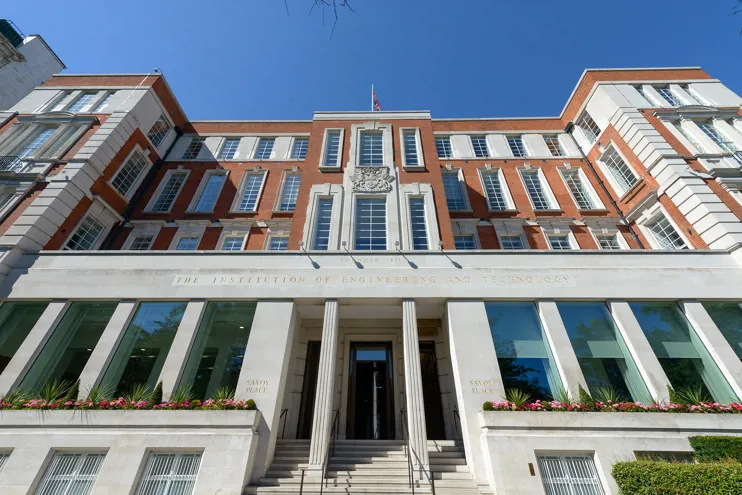
Held at IET London: Savoy Place, the Forum was the first major industry gathering following the release on Monday (6 July) of the Culture, Media and Sport Select Committee’s report into business events. Bringing together voices from across government, Parliament and industry, the event focused on how the sector can build on the momentum created by the report and strengthen the UK’s position in an increasingly competitive global market.
The report follows more than 12 months of evidence gathering and advocacy from across the business events community, including The Business of Events, which has worked alongside industry partners to highlight the economic contribution of the sector and the need for greater recognition and support from government.
Hosted by award-winning BBC journalist Lucy Grey, the Forum brought together a range of perspectives on the opportunities and challenges facing the industry, exploring how conferences, exhibitions and business gatherings support economic growth, attract investment, create jobs and deliver benefits across communities throughout the UK.
The Forum opened with an address from Stephanie Peacock MP, Minister for Sport, Tourism, Civil Society and Youth. Her remarks highlighted the important role business events play in driving growth, investment and jobs across every region of the country, while encouraging an open and forward-looking discussion about the sector’s future.
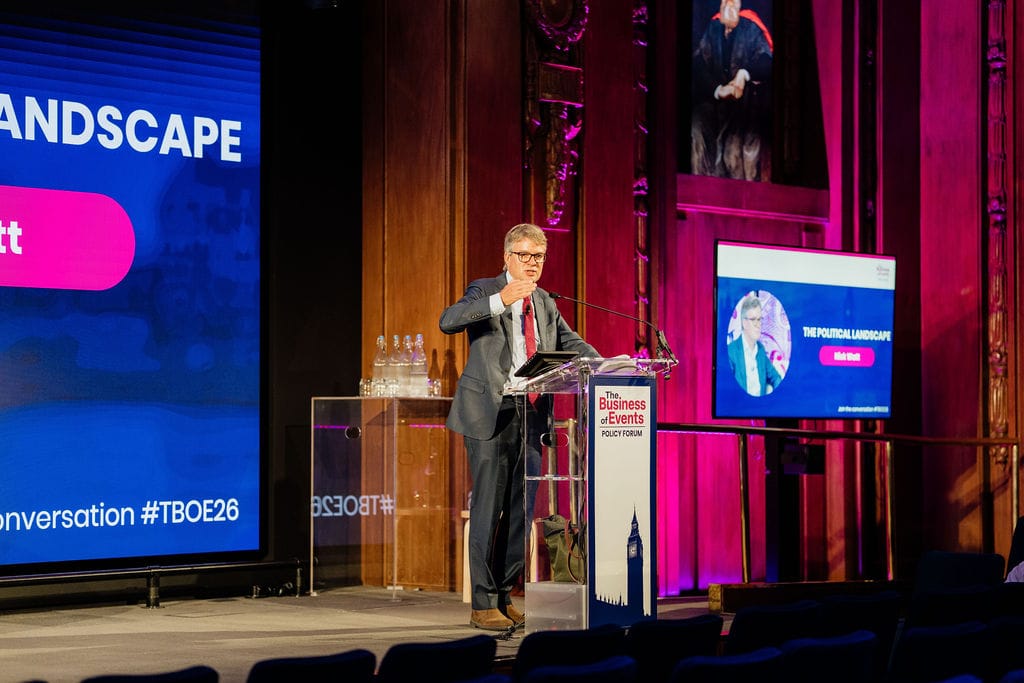
Nick Watt, Political Editor at BBC Newsnight, provided delegates with insight into the current political landscape and what it could mean for the sector in the months ahead.
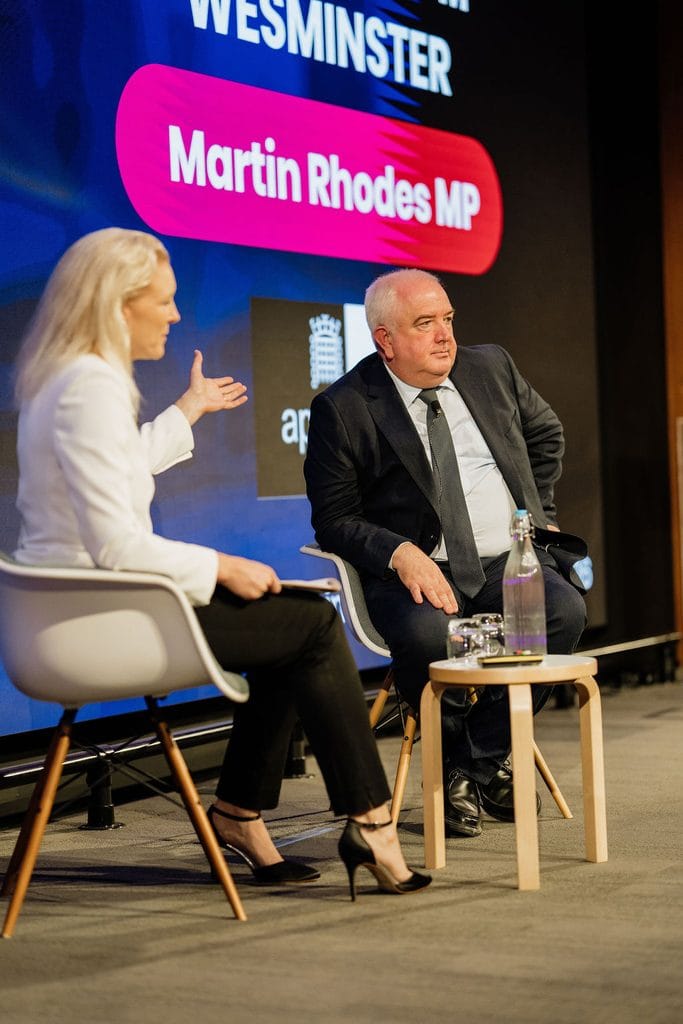
Martin Rhodes MP, Chair of the All-Party Parliamentary Group for Events, reflected on the APPG’s continued work to champion business events in Parliament and challenged the industry to think differently about how it communicates its value to policymakers.
While acknowledging the strength of the sector’s economic evidence, Rhodes encouraged the industry to look beyond headline figures and share the stories behind them – demonstrating how business events create careers, support local businesses, develop skills and contribute to communities across the UK.
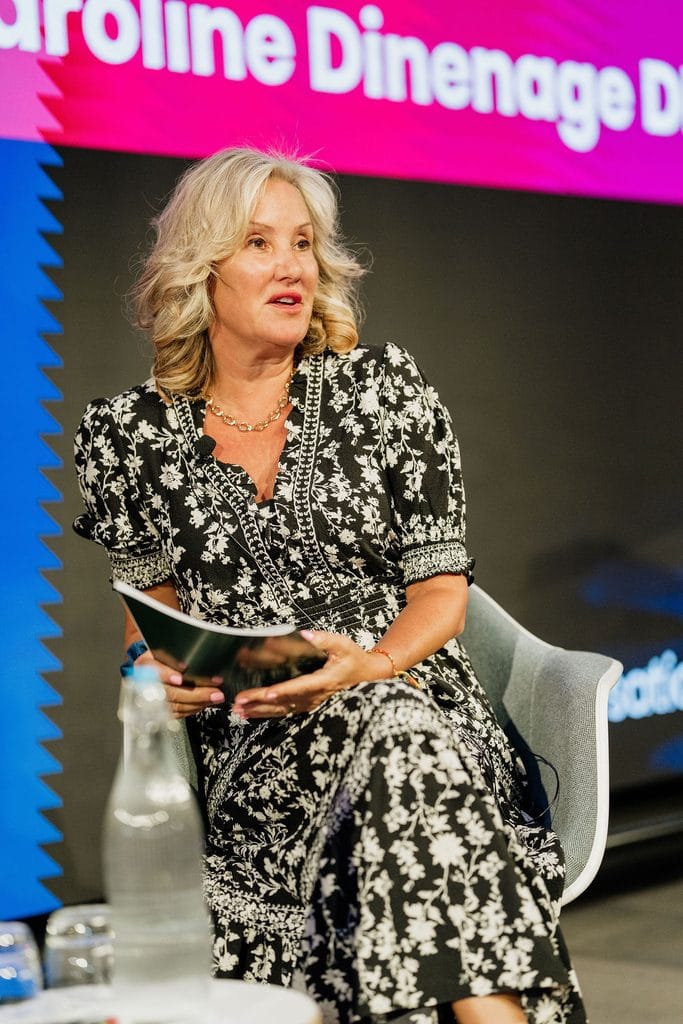
Dame Caroline Dinenage MP, Chair of the Culture, Media and Sport Select Committee, also addressed delegates following the publication of the Committee’s report.
She outlined the report’s recommendations, including the creation of a standalone National Business Events Strategy, the establishment of a sector-led National Business Events Council and a more coordinated approach across government. She also highlighted the importance of maintaining international promotion activity and ensuring business events have a clear strategic position within government if the UK is to remain competitive globally.
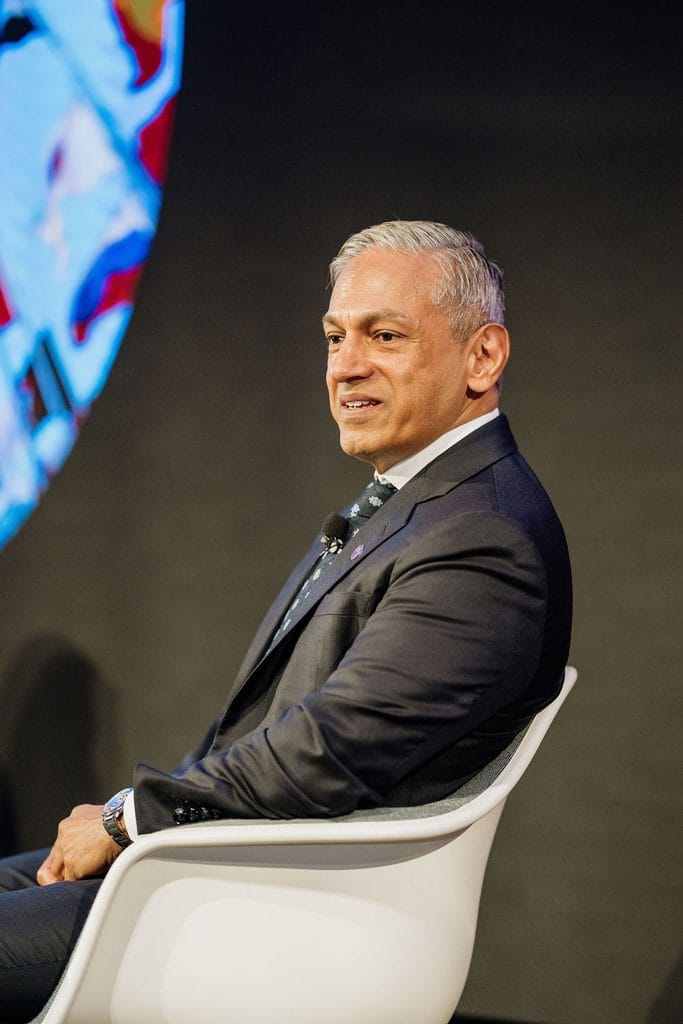
The Forum also explored the international outlook for business events, with Sherrif Karamat CAE, President and CEO of PCMA, sharing insight into how destinations and organisers can respond to changing market conditions and strengthen their position on the world stage.
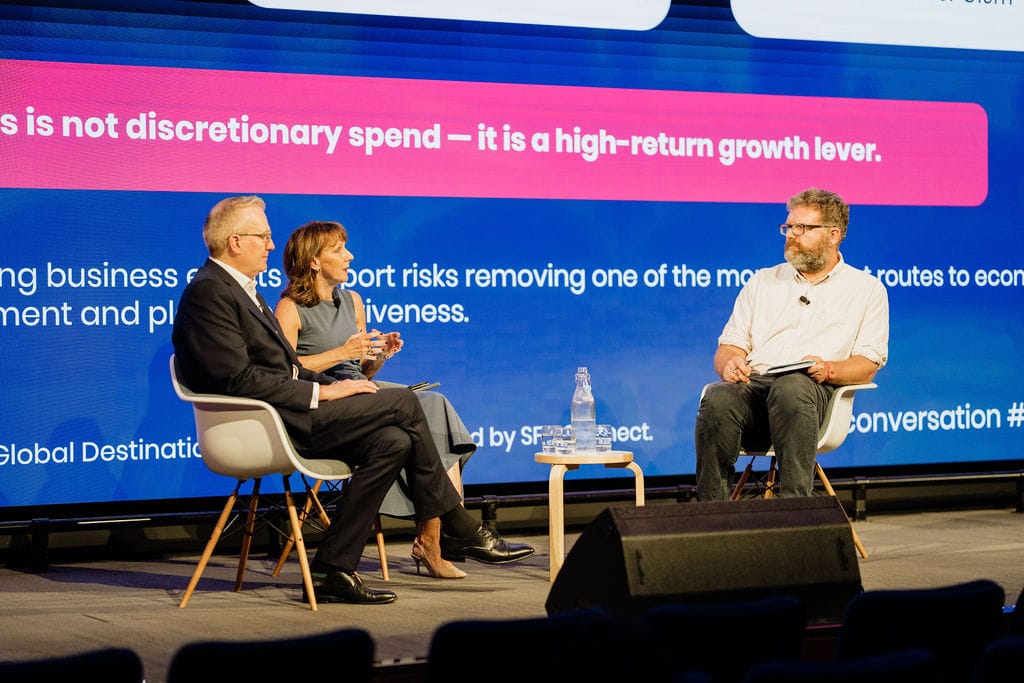
The event marked the launch of the Global Destination Report 2026, presented by Neil Brownlee, Head of Business Events at VisitScotland, and Sarah Fleming, Managing Director of SFA Connect. The report provides insight into destination competitiveness and the opportunities emerging across the global business events landscape.
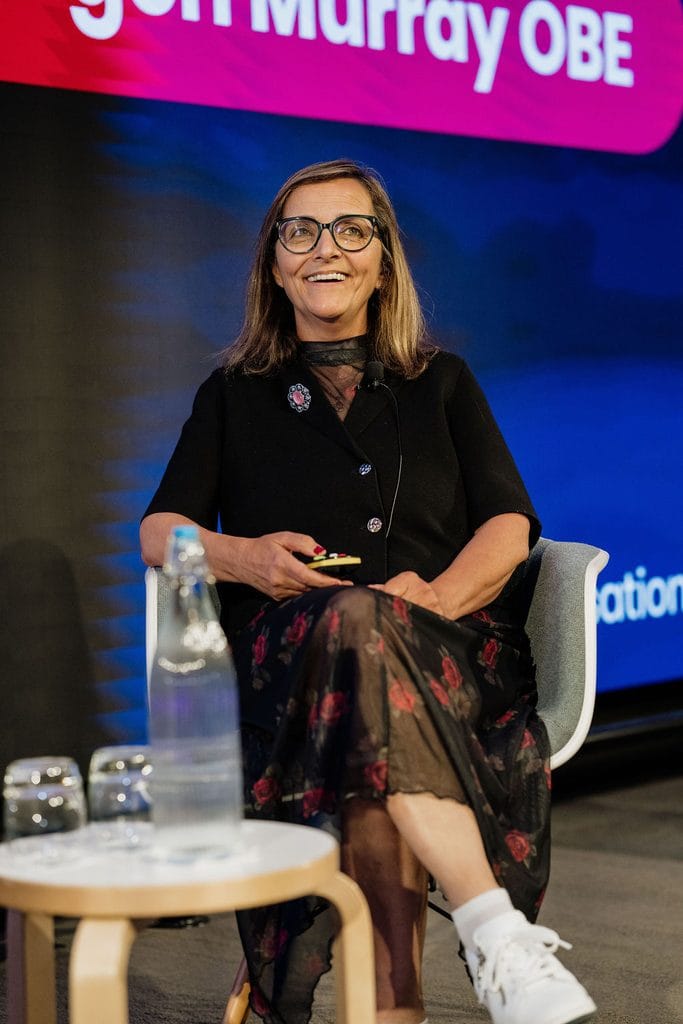
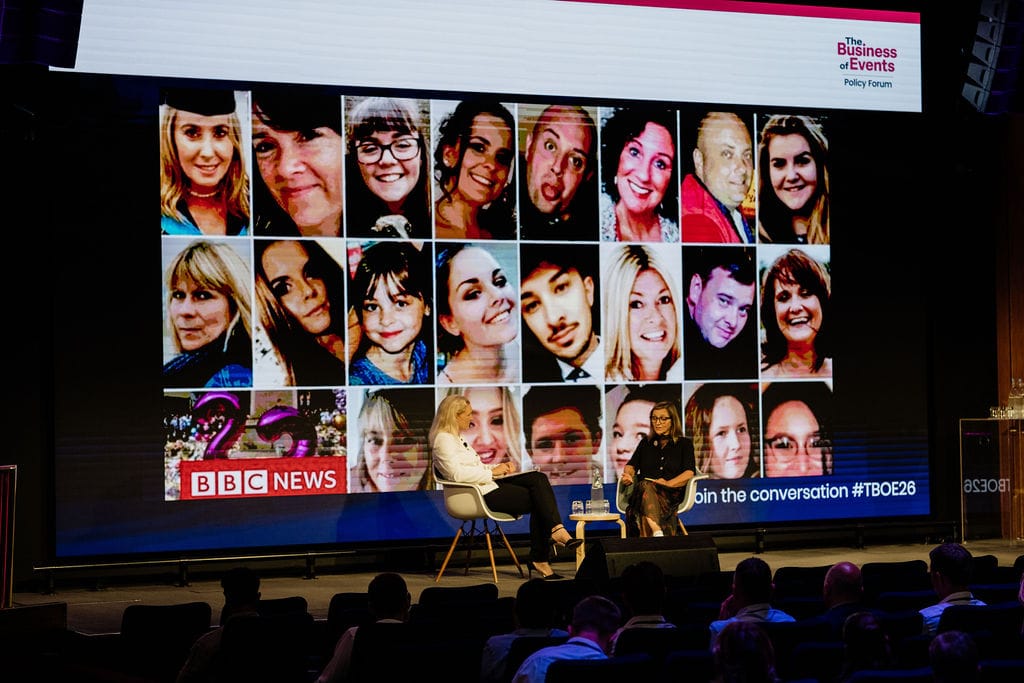
Public safety campaigner Figen Murray OBE shared her personal story behind the introduction of Martyn’s Law and reflected on its implications for venues and event organisers, highlighting the importance of collaboration, preparedness and public safety across the sector.
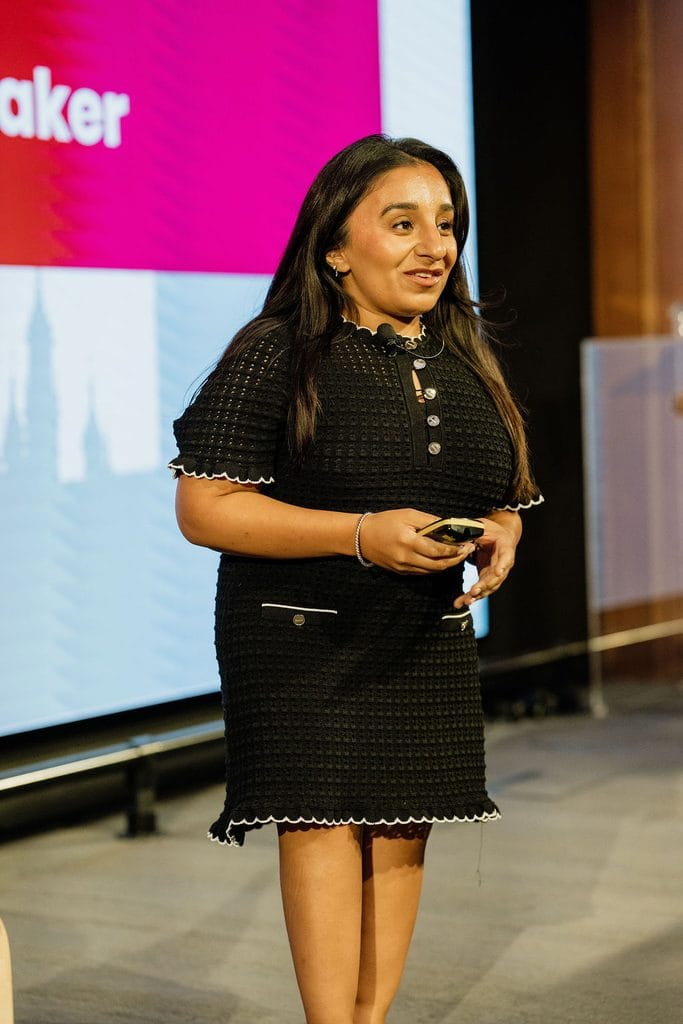
Closing the Forum, accessibility advocate and multi-award-winning changemaker Dr Shani Dhanda challenged delegates to rethink inclusion following the publication of landmark accessibility research by The Business of Events and ICC Wales. Her keynote explored the findings of the report, and the steps needed to create events and experiences designed to welcome everyone from the outset.
A spokesperson for The Business of Events said: “Following the publication of the Culture, Media and Sport Select Committee’s report on Monday, our Global Policy Forum provided an important opportunity for parliamentarians, policymakers and industry leaders to come together and discuss what happens next for business events in the UK.
“Throughout the day, one message was clear – while the sector has a strong economic story to tell, we must continue to demonstrate the wider impact business events have on people, communities, careers, innovation and regional economies.
“We would like to thank our speakers, partners and delegates for sharing their insight and expertise. The conversations held at this year’s Forum will help shape the continued dialogue between government and industry as we work together to support the future growth and competitiveness of UK business events.”
The Business of Events Global Policy Forum continues to provide a platform for collaboration between policymakers and industry leaders. Following the publication of the Select Committee’s report, TBOE will continue to work with partners across the sector and government to support a more coordinated approach to recognising and growing the contribution of business events in the UK.
The full gallery can be found here.
Photos courtesy of Teal and White Film and Photo